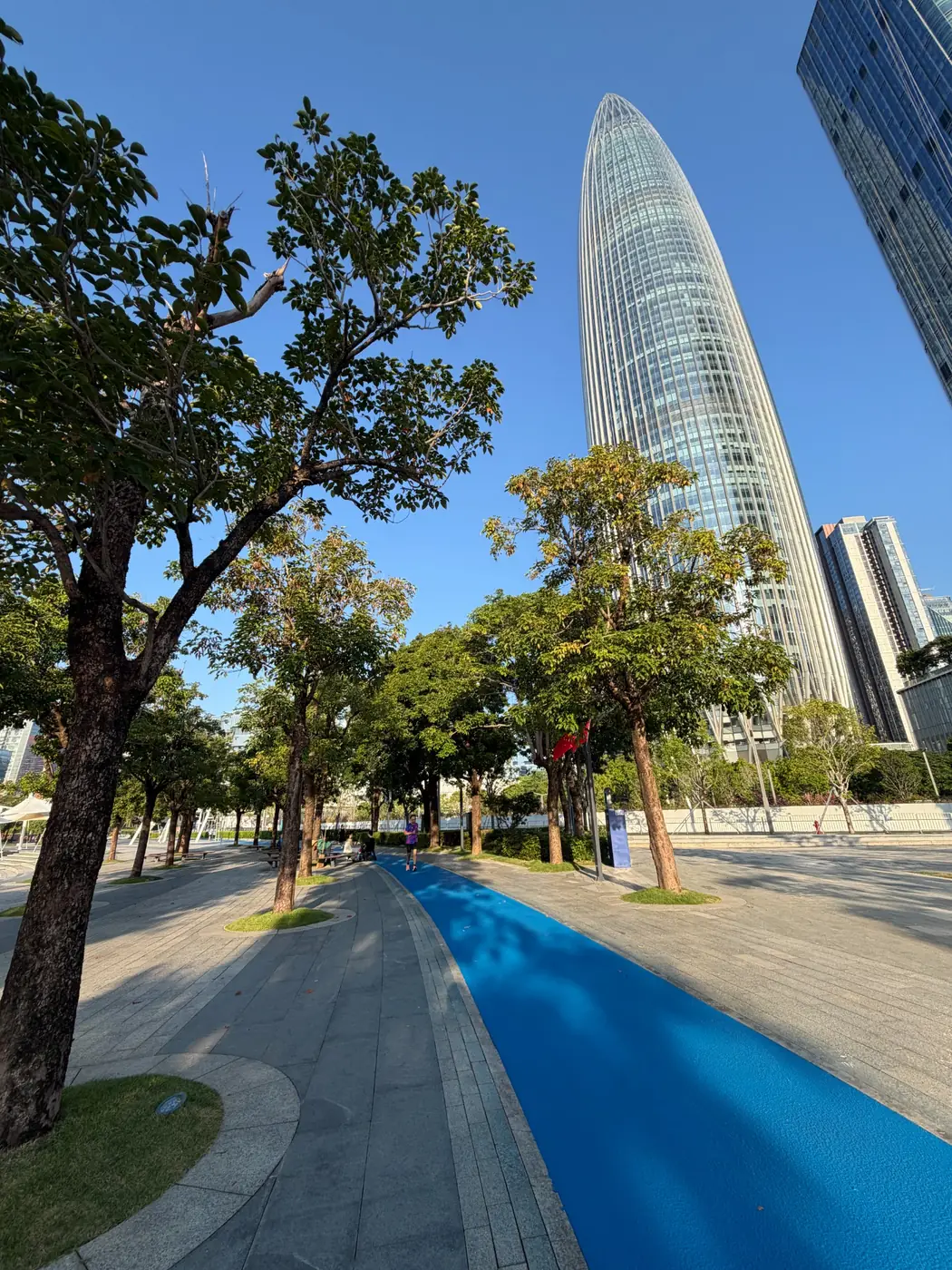
I Knew the Factories. I Had Not Yet Seen Guangdong.
What one extra night in Shenzhen changed about how I see the Greater Bay Area—and what developers can learn by looking beyond the product to the industrial system behind it.
10 min read↗
Skyline by HC · Singapore
I’m Lim Hwee Chim, a Singapore-based developer-side property practitioner. I write about the decisions, interfaces and human judgement behind the built environment.
Hard-won project lessons, made useful for the next decision.
Construction Delivery & TOP · 8 min read
A five-millimetre insect, the long journey of a cabinet, and why traceability matters when termites or wood borers surface after handover.
Read the essay ↗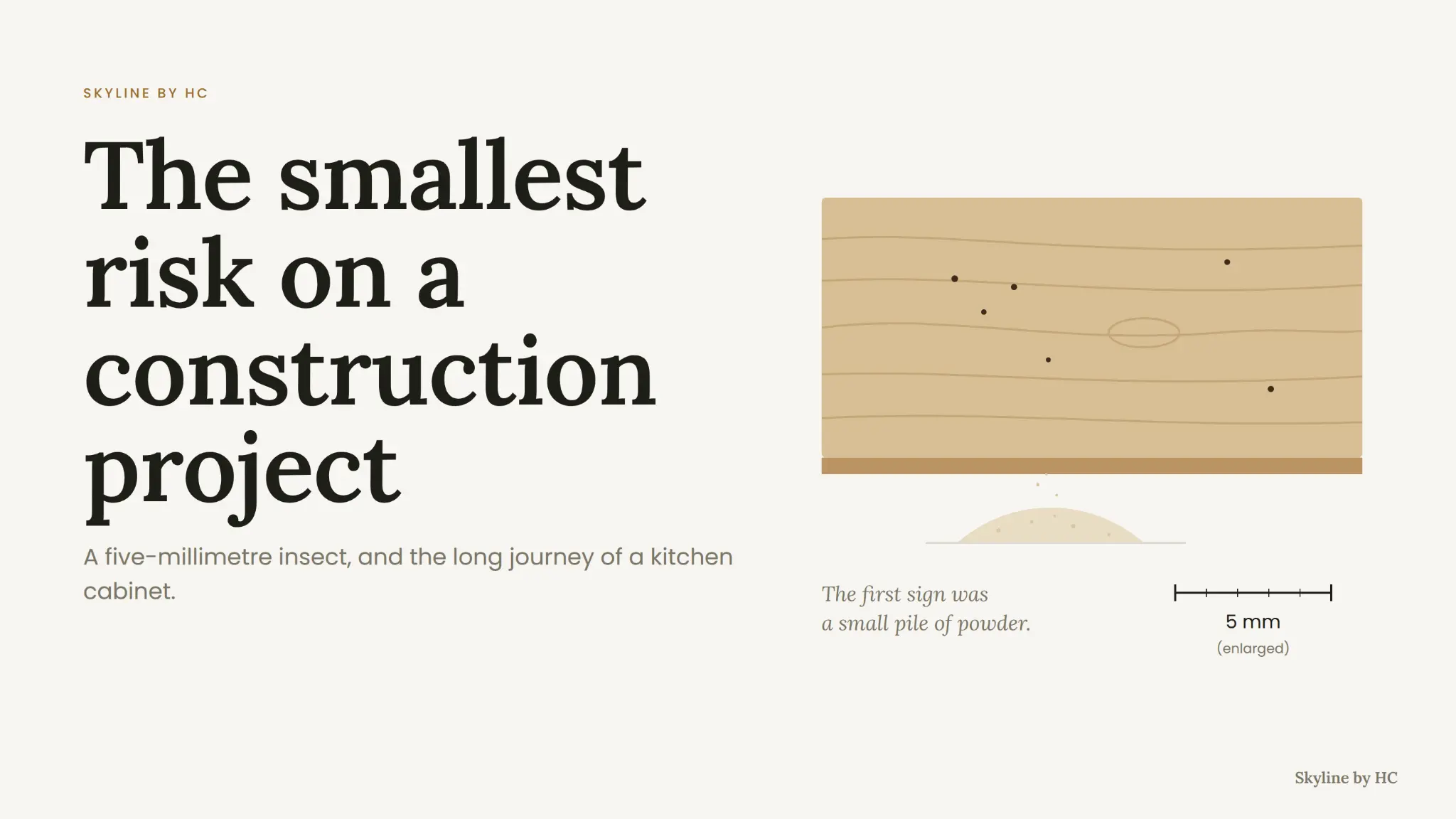
Start here
A selection across delivery, regulation and technology—the recurring places where upstream choices become visible downstream.
What one extra night in Shenzhen changed about how I see the Greater Bay Area—and what developers can learn by looking beyond the product to the industrial system behind it.
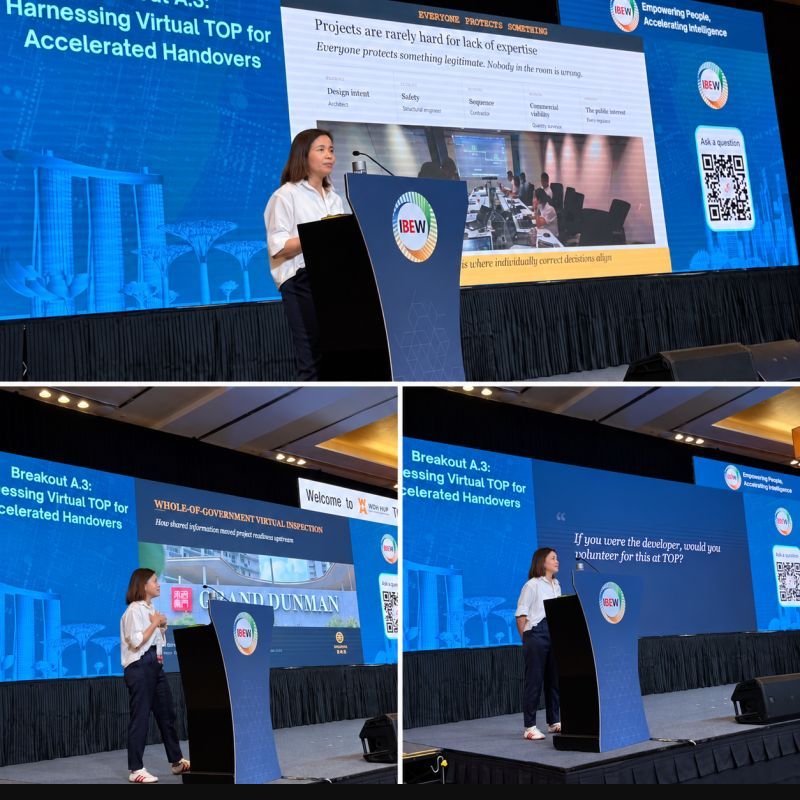
A field note from IBEW 2026 on what the Grand Dunman WOG Virtual Inspection pilot revealed about technology, shared evidence and earlier issue resolution.
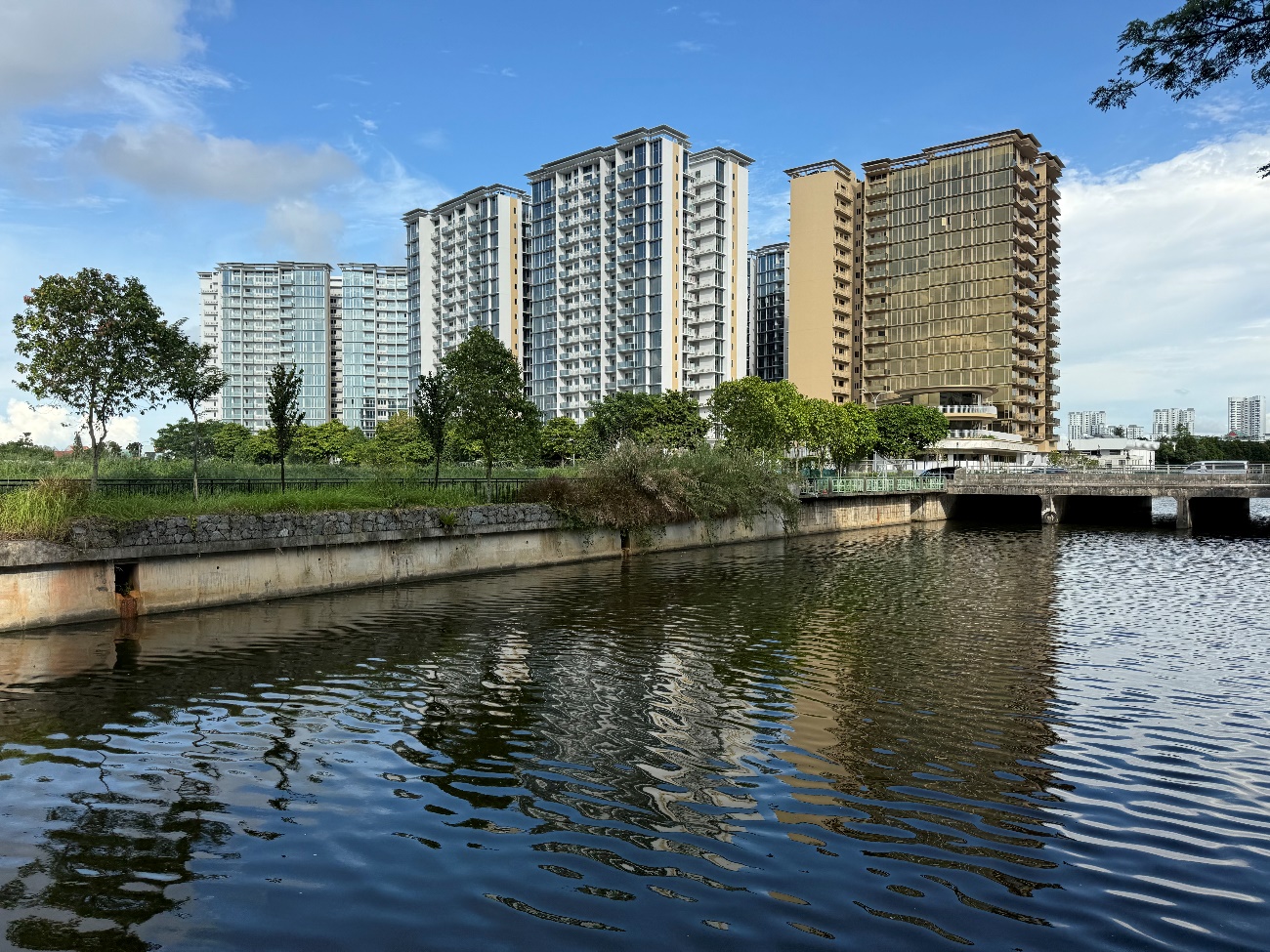
How better upstream information changed the way Grand Dunman prepared for TOP—and why the real innovation was integration, not the camera.
Choose your next step
Skyline can be entered through a project problem, an industry question or a conversation worth continuing.
Read practical essays on the decisions, interfaces and information that shape project outcomes.
Explore the topics →Share a difficult interface, PPVC issue, delivery constraint or experiment worth testing.
Send HC a note →Invite HC to contribute a practitioner perspective on development, construction delivery, technology or regulation.
Start a conversation →The body of work
Construction is often treated as a site problem. Skyline looks further upstream—at how developer intent travels through policy, procurement, design and delivery.
What guides Skyline by HC
Skyline by HC is shaped by three beliefs about how the built environment can be understood, improved and shared.
Buildings are shaped long before construction becomes visible. Skyline traces outcomes back to the decisions, information, interfaces and people behind them—making often-unseen contributions easier to understand.
Project difficulties can become questions to investigate: understand the system, test a practical intervention and examine what genuinely changes.
Hard-won experience should not disappear into archived emails or individual memory. Skyline turns project observations into reusable principles so future decisions—and other practitioners—can begin further ahead.
Together, these beliefs support one central idea: better downstream outcomes begin with better upstream conditions.
“Good developer interventions often create invisible value—in delays, disputes and variations that never occur.”
— A recurring Skyline principle
Connect
If you are working through a construction issue, testing an idea, or see something worth discussing, feel free to get in touch.
Connect →