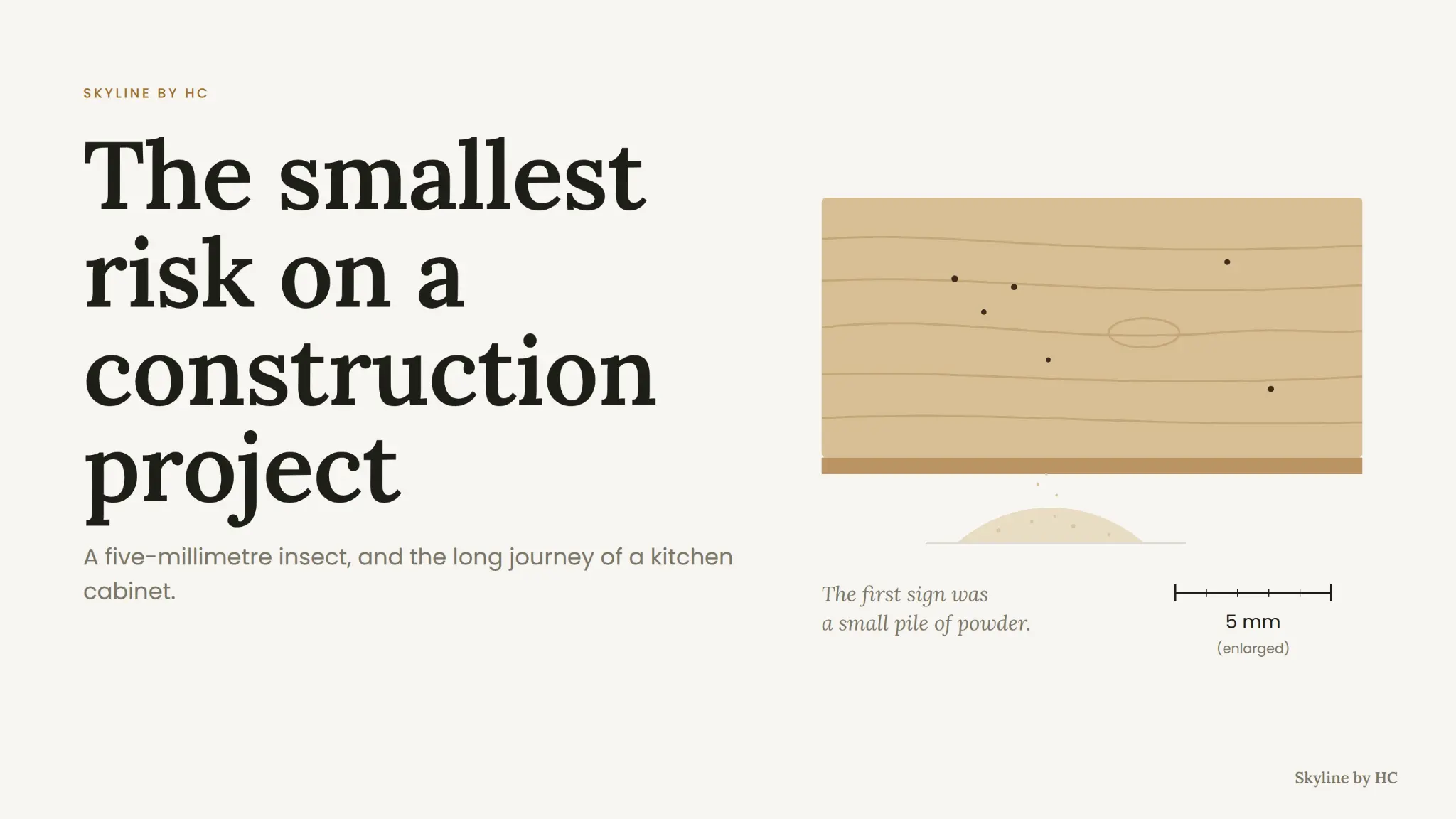
The Smallest Risk on a Construction Project
A five-millimetre insect, the long journey of a cabinet, and why traceability matters when termites or wood borers surface after handover.
8 min read↗
Article library
Essays and field notes on developer leadership, construction systems, technology, productivity and regulation.
15 pieces to explore
A five-millimetre insect, the long journey of a cabinet, and why traceability matters when termites or wood borers surface after handover.

What one extra night in Shenzhen changed about how I see the Greater Bay Area—and what developers can learn by looking beyond the product to the industrial system behind it.
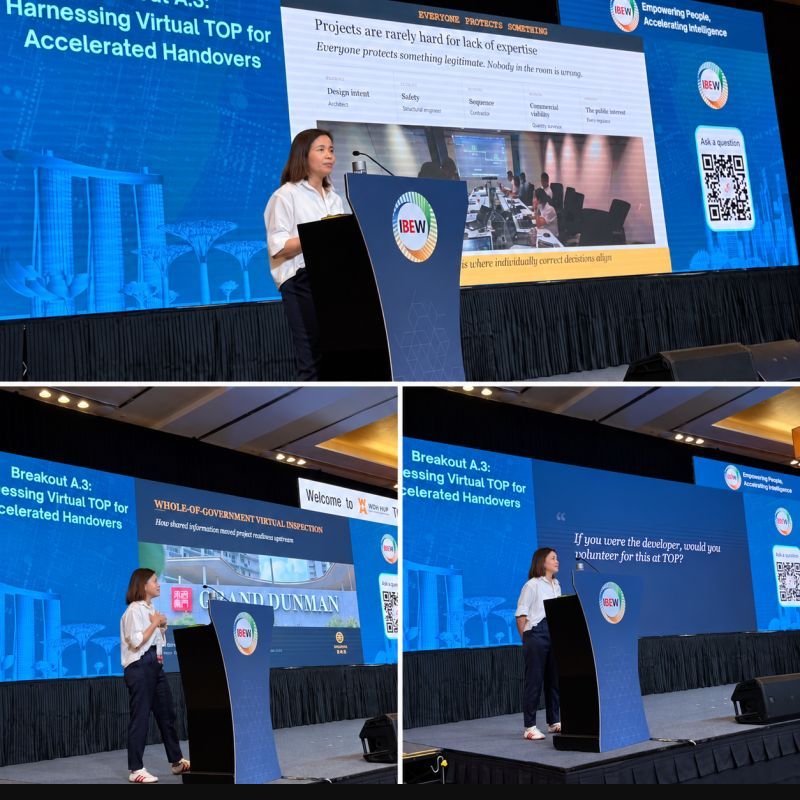
A field note from IBEW 2026 on what the Grand Dunman WOG Virtual Inspection pilot revealed about technology, shared evidence and earlier issue resolution.
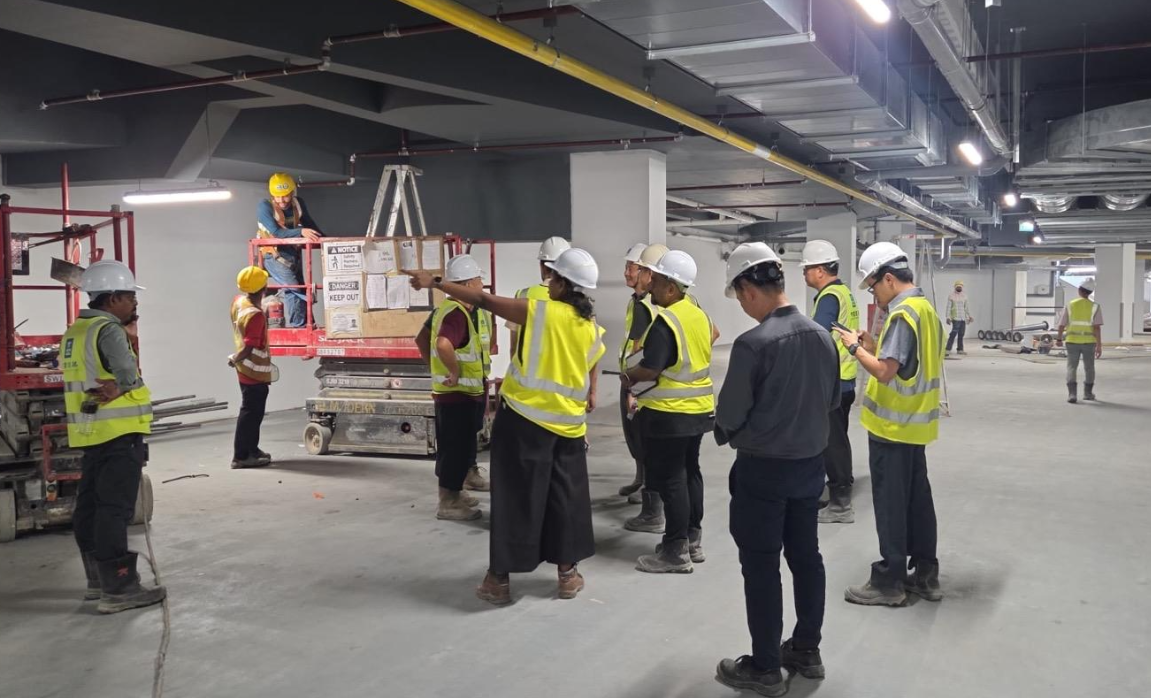
What Whole-of-Government Virtual Inspection made me reconsider about AI in construction: useful intelligence depends first on trusted project memory and disciplined information flow.
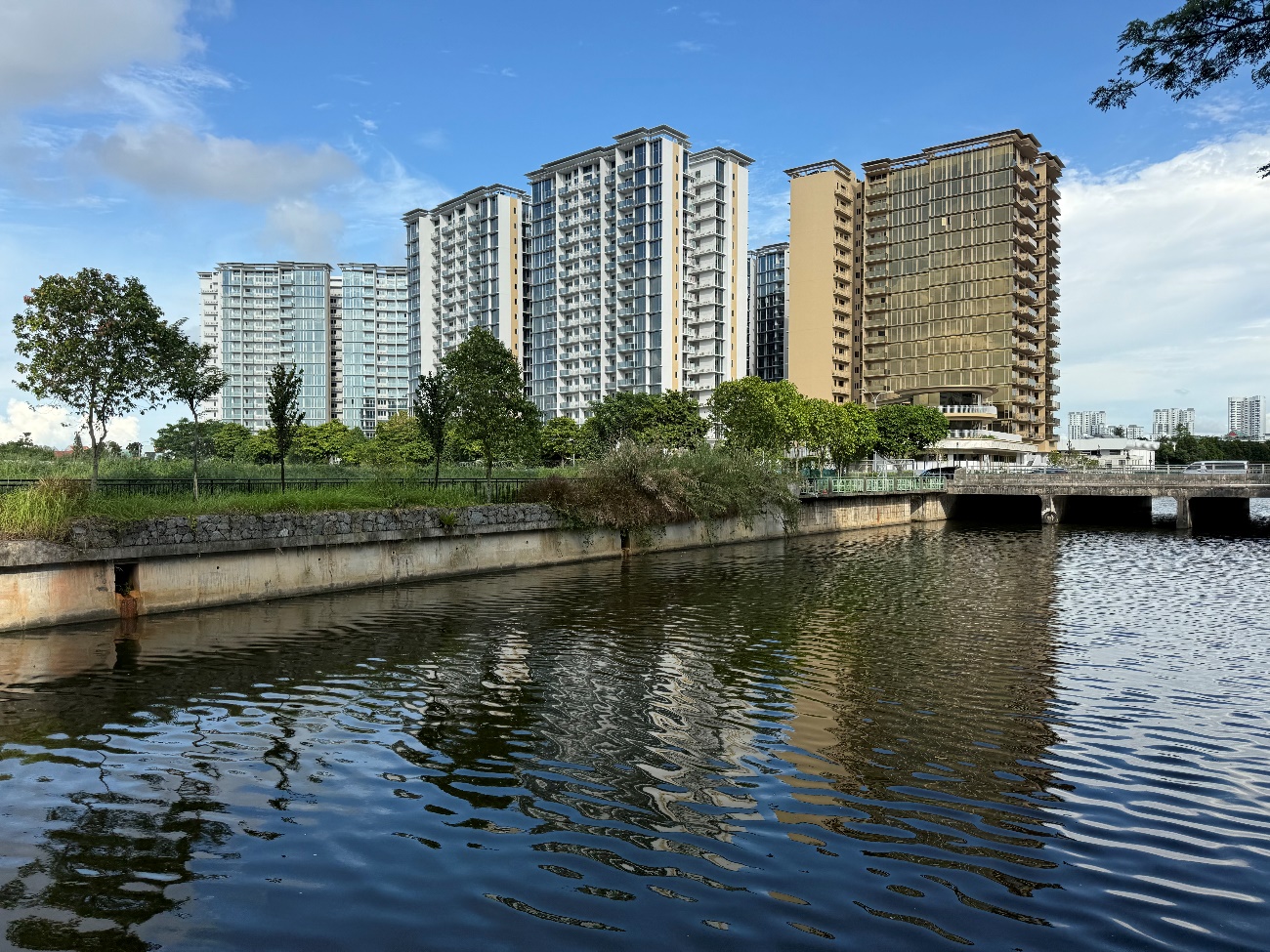
How better upstream information changed the way Grand Dunman prepared for TOP—and why the real innovation was integration, not the camera.
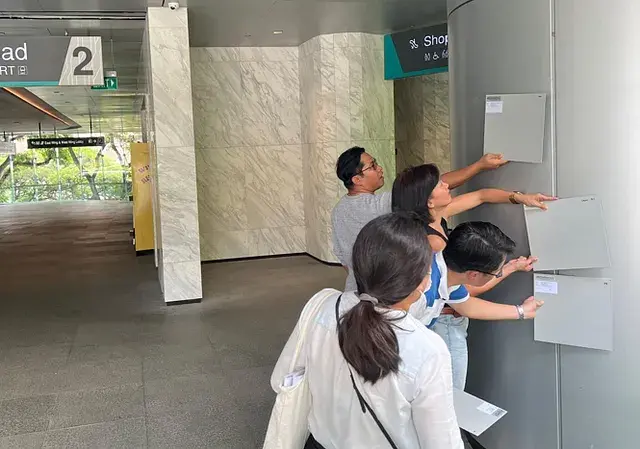
Why powder coating, PVDF and anodised aluminium can look identical on a sample board—and age nothing alike.
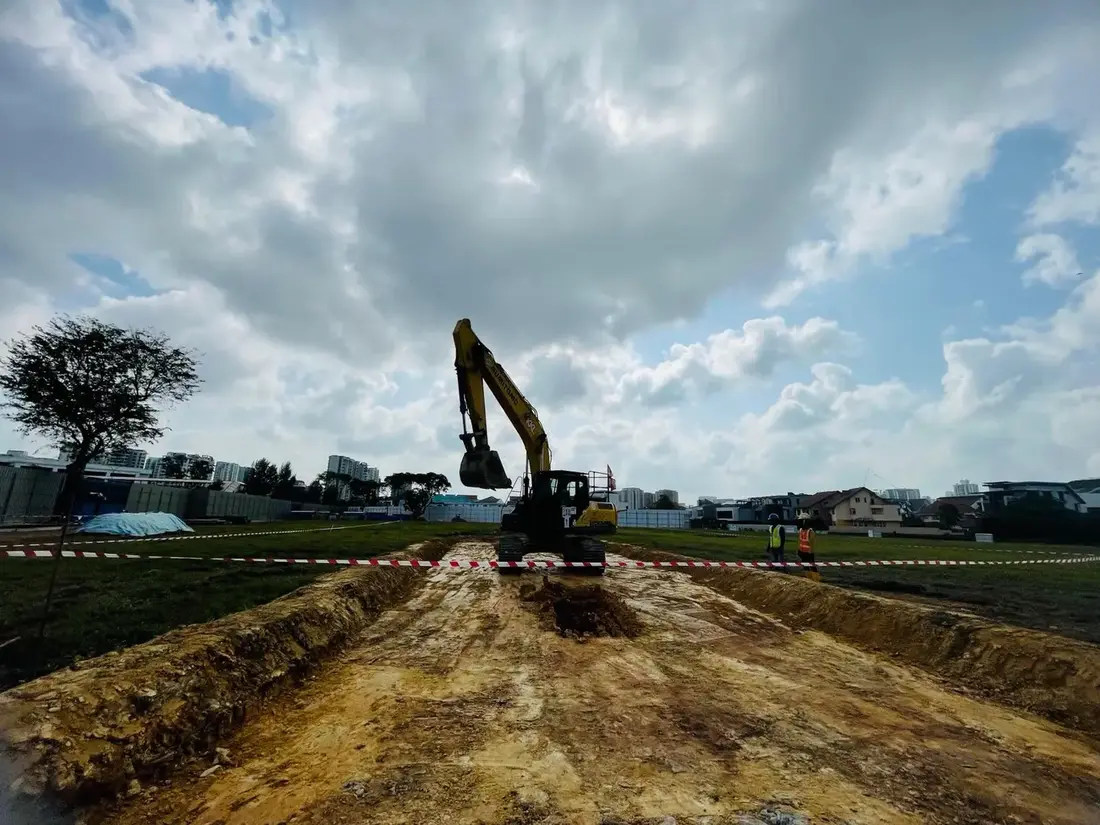
As Singapore’s BET bonus GFA scheme approaches expiry, Lim Hwee Chim examines what should replace it to sustain construction productivity and industry transformation.
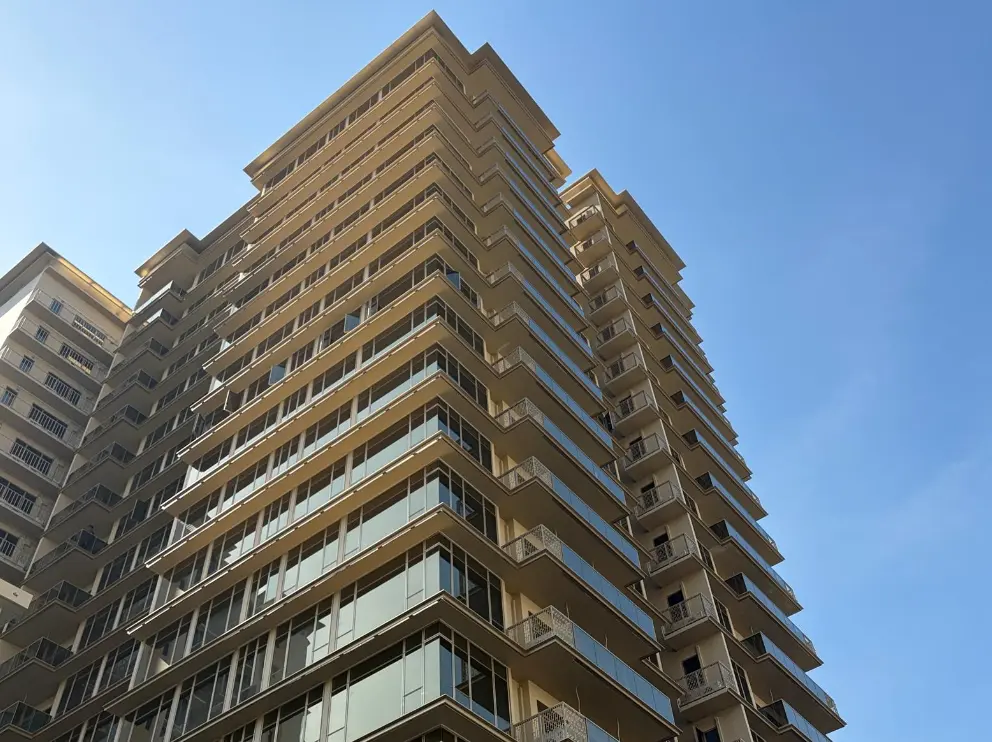
Completion does not reveal a project’s final problems. It reveals the accumulated consequences of its earlier decisions.
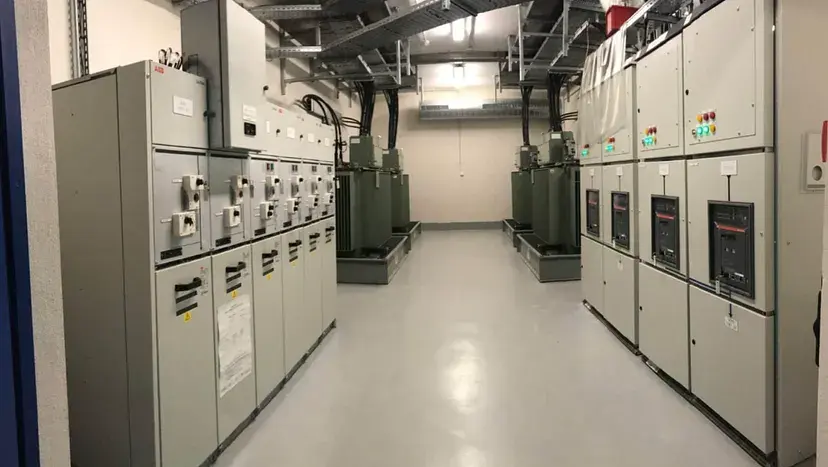
A planning refinement made basement substations more attractive. The technical discussion that followed shows why planning, fire safety and long-term grid operations have to be considered together.
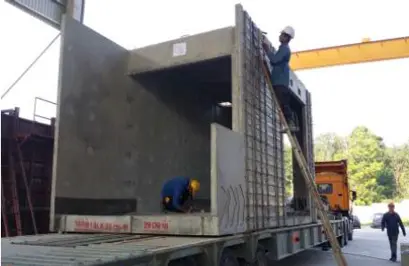
A developer-side account of PPVC as an information and coordination system—from early design decisions and factory production to cross-border logistics and module installation.
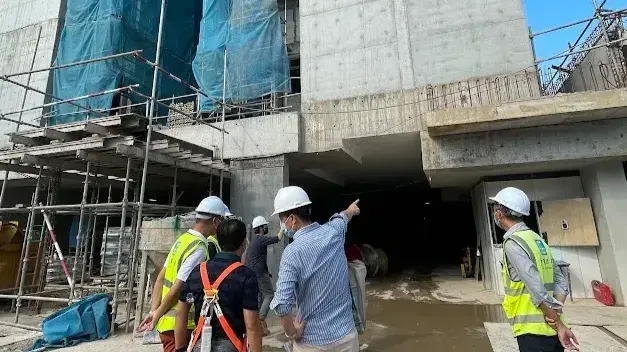
A developer-side view of SIA, REDAS, ECI and NEC4—and why construction outcomes depend on getting the right information into the room before decisions harden.
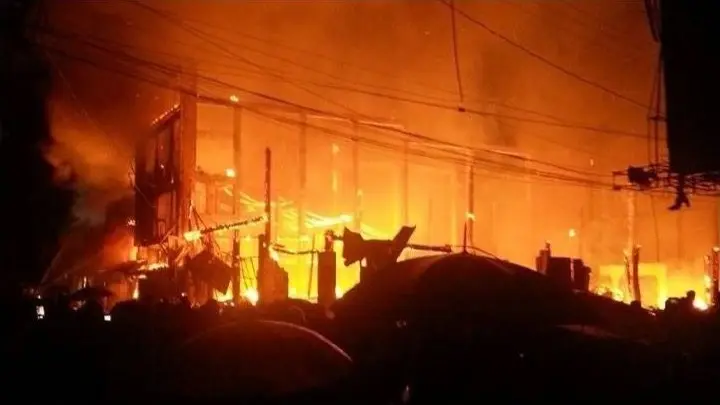
A childhood shophouse fire, a modern high-rise disaster, and why fire-safety rules are not bureaucratic friction but society’s most basic promise.
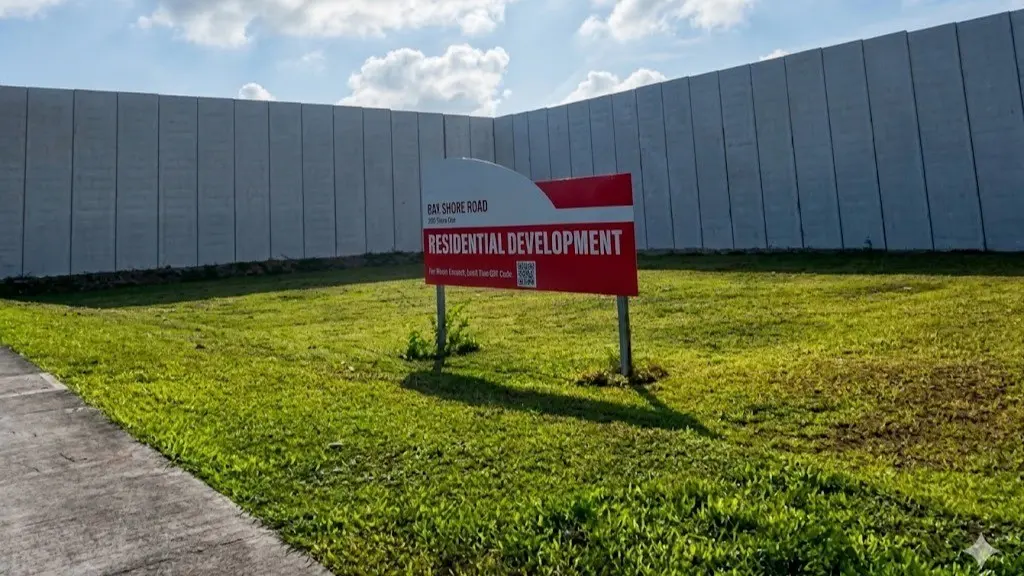
Winning a Government Land Sale is not the finish line. It begins five years of compressed decisions across design, approvals, procurement, construction and sales.
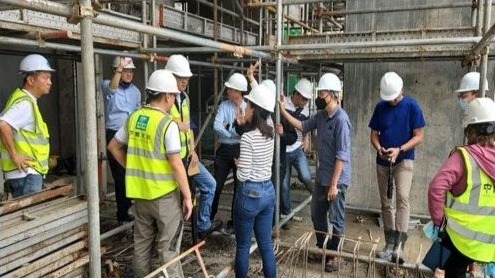
Reflections on inheriting construction projects midway—and why ownership begins with understanding the technical, relational, decision and regulatory debt already on board.
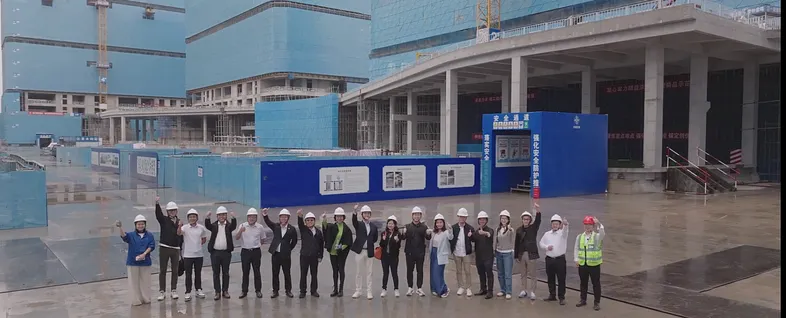
What China’s smart construction sites reveal about Singapore’s real productivity challenge: not a technology gap, but information latency across a fragmented ecosystem.